
-
Why “博多じょうもんさん” is Obviously NOT a Misogynistic Pseudo-Dialect (Ask AI Mode/GPT)
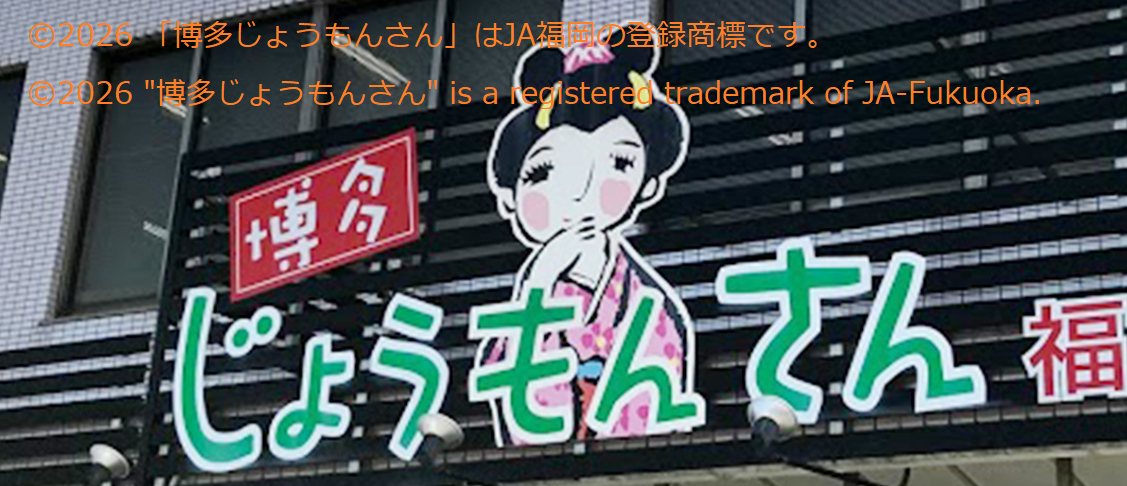
My Claim: It’s misogyny (Ask AI Mode)My Claim: It’s a pseudo-dialect (Ask AI Mode)じょうもん in FotNS (Ask AI Mode) I asked AI-Mode about the Kyushu-ben term “じょうもん”, and got this (attached text 1). Actually, I didn’t ask but just threw the statement, and AI Mode tried to give an excuse for the term’s misogynistic vibe,…
-
じょうもん in Fist of the Northern Star (Ask AI Mode)
In Fist of the Northern Star, there was a line “こいつは上物だぜ” or something like that. That was a scene where some bad guy(s) kidnap a woman, revealing the physical appearance of the woman. The scene you are remembering happens early in the story and features the protagonist Kenshiro rescuing a young woman named Lin (or…
-
My Claim: じょうもん is a Common Colloquial Term in Japan (Ask AI Mode)
“物” and “者” is often pronounced ”もん” はい、その通りです!「物(もの)」や「者(もの)」は、口語や特定の表現で「もん」と発音されることが非常によくあります。 これは日本語の音便(おんびん)や、話し言葉における簡略化(発音の省エネ)の一種です。それぞれの特徴と使い方を整理しました。 1. 「物(もの)」が「もん」になる場合 具体的な物体だけでなく、抽象的な事柄や理由を表すときによく使われます。 2. 「者(もの)」が「もん」になる場合 特定の人や、ある性質を持つ人を指すときに使われます。少しくだけた表現や、親しみ・見下しなどの感情が含まれることが多いです。 💡 ニュアンスと注意点 もしよろしければ、さらに詳しく知りたいポイントを教えてください。 知りたい内容に合わせて、さらに具体的な例文や解説をご用意できます! Yakuza mentioning “Whoa, this is the highest-quality じょうもん (上物)!!” after trying some cocaine powder is a common trope in Yakuza movies. “じょうもん” is a widely known term in Japan, right? はい、ヤクザ映画の定番のトロープ(お決まりの描写)として「上物(じょうもん)」という言葉が使われるのは事実ですが、日本での認知度には大きな誤解(落とし穴)があります。 1. 一般的な知名度:言葉自体は有名、でも読み方は「じょうもの」 「上物」という言葉自体は、日本で非常に広く知られています。ただし、一般的な日本人がこの漢字を見たら、99%「じょうもの」と読みます。 2. ヤクザ映画・裏社会での知名度:「じょうもん」…
-
My Claim: Hakata-ben “じょうもん” is a Misogynic Derogatory Term (Ask AI Mode)
じょーもん in Kyushu-ben etymology shows their misogynic sexual objectification The claim that the etymology of “じょーもん” (Jōmon / Jōmon-san) in Kyushu-ben (specifically Hakata/Fukuoka dialect) stems from misogynistic sexual objectification is incorrect. While language can carry historical biases, the actual linguistic origin of this specific term has no connection to sexual objectification or misogyny. 1. The…
-
How to Unsuccessfully Localize Pop-Science Channels for Japan (Ask GPT)
@kurzgesagt_jp /since Jan 29, 2022 /144K subscribers@TEDEdJapanese /since Jan 4, 2023 /77K subscribersWhy do you think these YouTube channels for JP audience are not successful compared to their parent channels? I think the main reason is that these are not truly “Japanese versions” of the parent channels. They are more like small, irregularly stocked localization…
-
How to Sound More Unnatural in Kyushu-ben (Ask AI Mode/GPT)
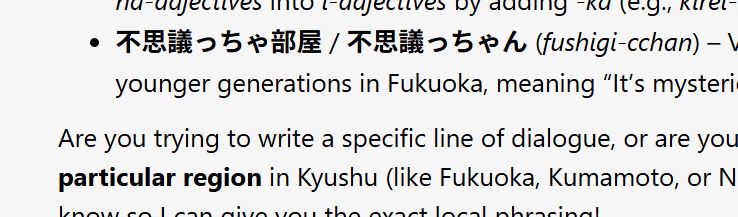
🔗Kyushu-ben Grammar Check with AI Mode I asked AI Mode this when I was trying to say something in Kyushu-ben. I was so happy that I could apply the bizarre gen-z Kyushu-ben grammar I just learned to my Twitter post, until it turned out I couldn’t😭 Haha, I enjoyed reading this exchange. AI Mode started…
-
Kyushu-ben Grammar Check with AI Mode
is it correct to say 不思議たい in Kyushu-ben grammar No, it is grammatically incorrect to say 不思議たい (fushigi-tai) in Kyushu-ben. While the sentence-ending particle たい (tai) is iconic in dialects like Hakata (Fukuoka) and Kumamoto, it cannot attach directly to a na-adjective (adjectival noun) like 不思議 (fushigi). [1, 2] To make it grammatically correct, you…
-
There are Moments when You Think Only the Speaker Thinks he is Speaking a Standard Language and He Actually Is
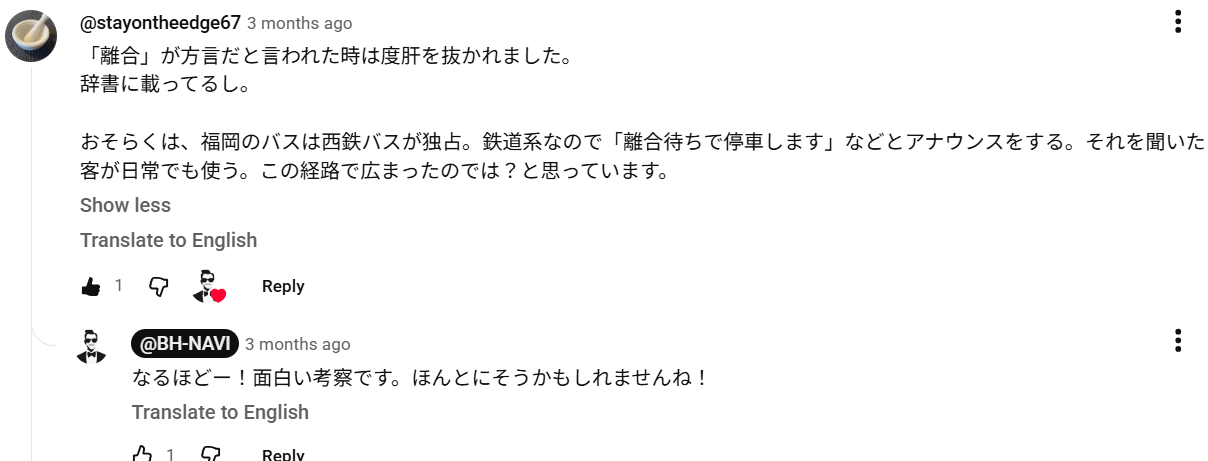
“口が達者たい” Is it a legit Kyusyu-ben? はい、「口が達者たい(くちがたっしゃたい)」は、福岡や熊本などをはじめとする九州地方で広く使われている、非常に自然